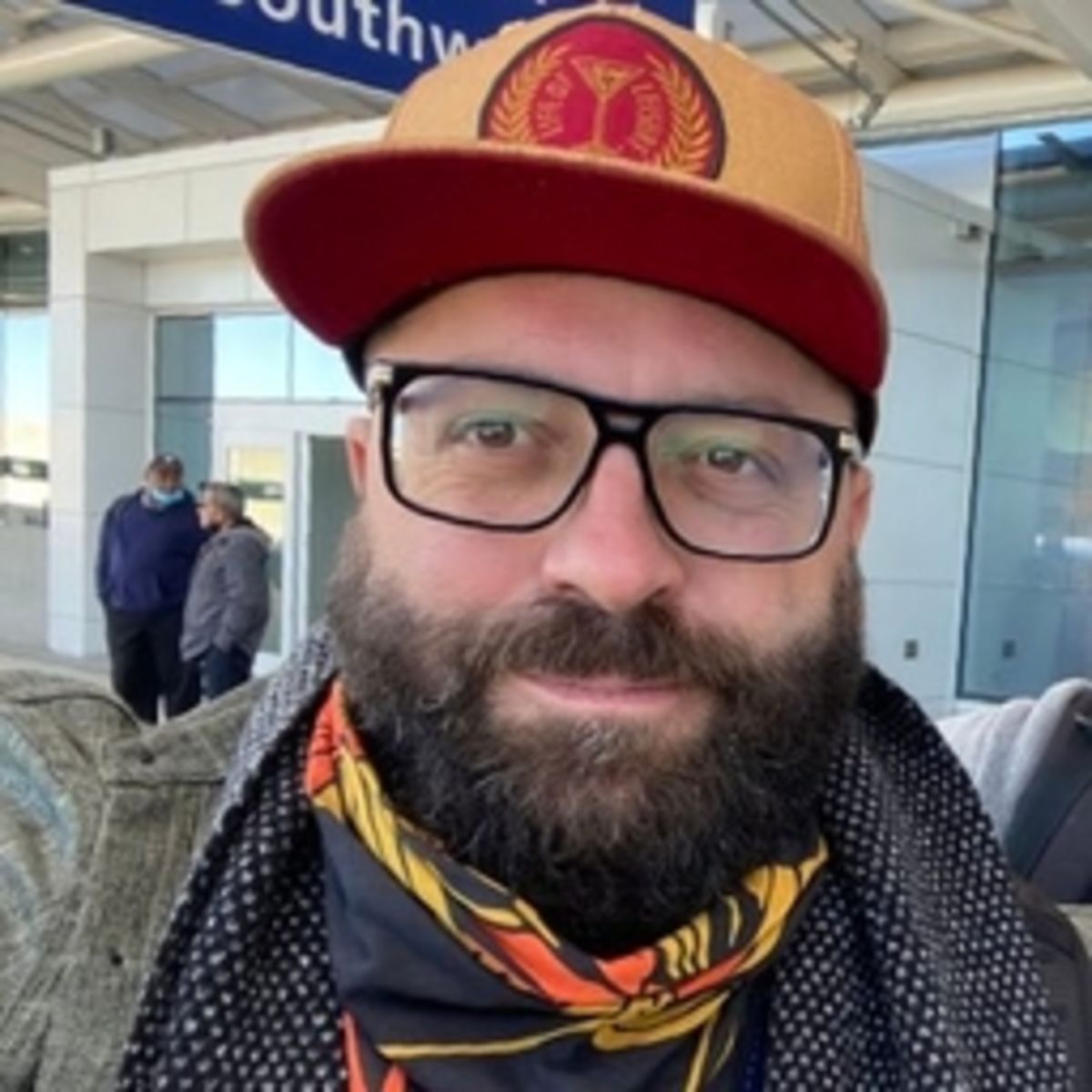
A pro-Palestine activist watched Australia’s parliament ram through “hate speech” legislation this January and saw the mechanism designed to dismantle his movement take shape. Tim Foley, in readings of Caitlin Johnstone’s analysis, described the laws as a direct tool to classify and proscribe pro-Palestine organizations as hate groups, stripping them of legal existence while individuals face prison for continued association.

Image: Youtube - Tim Foley (reading Caitlin Johnstone)
The Combatting Antisemitism, Hate and Extremism Bill 2026 passed both houses on January 20 after Labor and the Liberals stitched up a deal. It grants federal agencies—including ASIO and the AFP—authority to recommend banning entire organizations deemed to cause “social, economic, psychological or physical harm” through hate-related conduct. No court conviction for a hate crime is necessary; executive designation can suffice, subject to parliamentary disallowance that rarely succeeds.
Attorney General’s Refusal to Give Straight Answer
During a January 20 ABC 7.30 interview, David Speers pressed Attorney-General Michelle Rowland three times on a concrete scenario: could a group be banned for accusing Israel of genocide or apartheid if Jewish Australians feel intimidated as a result? Rowland refused each time to say no. She answered with references to “other factors,” case-by-case assessments, and agency input, but never excluded the possibility. That evasion, repeated on national television, signaled the law’s intended elasticity.
Rowland’s refusal aligns with warnings that the threshold—psychological harm caused by speech—can capture political criticism whenever the targeted community reports feeling unsafe. State racial vilification laws already use terms like “ridicule” and “contempt”; federal expansion risks importing similar subjective standards nationwide.
Toned-Down Bill Still Leaves Door Open for Harsher Crackdowns
The enacted version dropped an initial proposal to criminalize individuals directly for racial vilification incitement, a concession critics say was cosmetic. Pro-Israel advocacy groups immediately argued the compromise does not go far enough and began pressing for restoration of tougher individual-liability provisions. The pattern is predictable: incremental legislation creates the framework, then sustained lobbying widens it.
Pro-Palestine demonstrations already face aggressive policing and absurd prosecutions across states. Adding federal proscription powers gives authorities a cleaner path to declare entire networks unlawful, criminalize membership or material support, and chill speech before any violence occurs.
Core Threat: Speech Becomes the Crime
Foley emphasizes the legislation targets expression, not action. He rejects silencing others yet faces powerful interests openly seeking to silence him and thousands like him. The laws arrive in a climate where criticizing foreign governments—especially Israel—can be reframed as racial hatred whenever offense is claimed.
No constitutional free-speech guarantee exists in Australia to block such drift. Without one, executive discretion over “hate group” designations risks becoming the new normal for controlling dissent.
The mechanism is now law. Whether it will be turned systematically against Palestine solidarity depends on future political pressure and who holds the levers. The framework for suppression has been built; the question is how aggressively it will be used.
